2 hr 30 min
Lisbon Azulejo Tile Design Workshop
Design and take home your own Portuguese ceramic tile using traditional azulejo techniques and patterns
Reserve
Paint your own ceramic tile in a historic studio, guided by traditional artisan techniques
Hand-picked by our editors — only the best 4 workshops from 12 reviewed.
Verified partners for Lisbon Tile Painting Workshop tours, free cancellation where available, and instant confirmation on every booking.
2 hr 30 min
Design and take home your own Portuguese ceramic tile using traditional azulejo techniques and patterns
Reserve
1 hr
Design and paint your own ceramic azulejo using traditional Majolica methods in historic Lisbon
Reserve
2 hr 30 min
Design and paint a traditional ceramic tile using centuries-old techniques in a welcoming Lisbon gallery
ReservePrices from verified partners. Availability updates in real time at checkout. Free cancellation policies apply where shown.
The landmarks, rooms, and views travelers on Lisbon Tile Painting Workshop tours remember — all visible on a single visit.
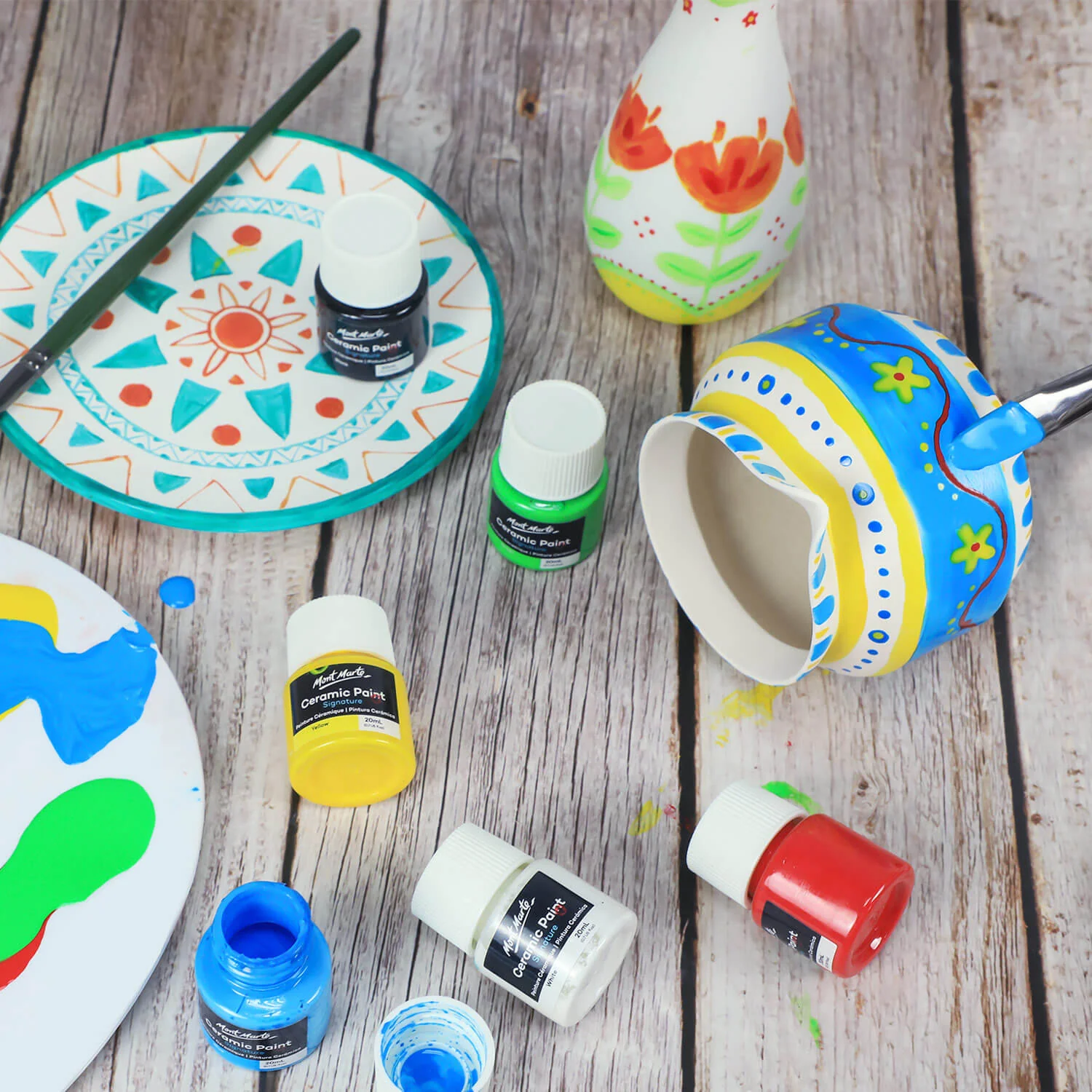
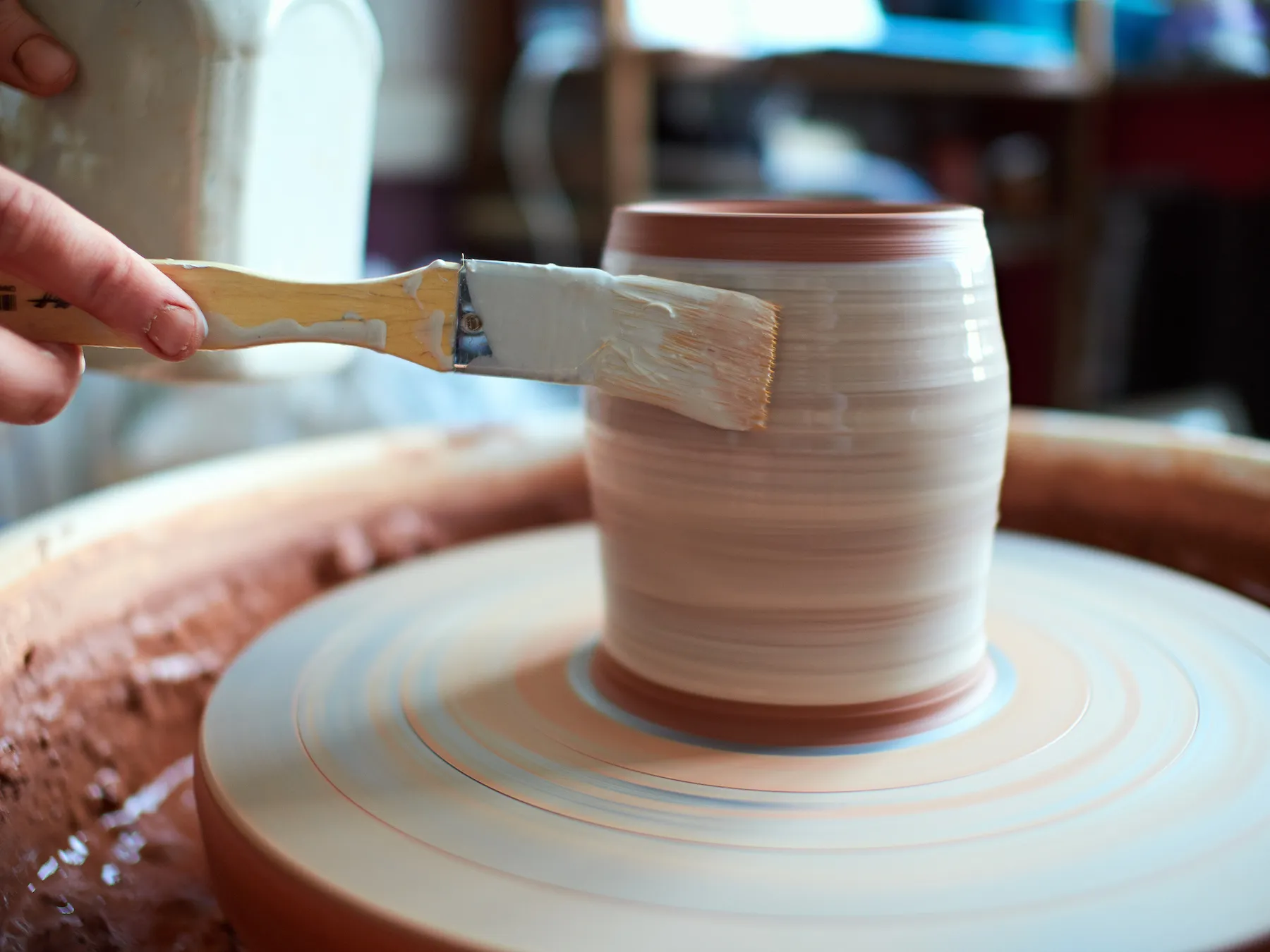
Learn the authentic process of glazing and painting on raw ceramic surfaces.
Create your own design using stencils or freehand styles.
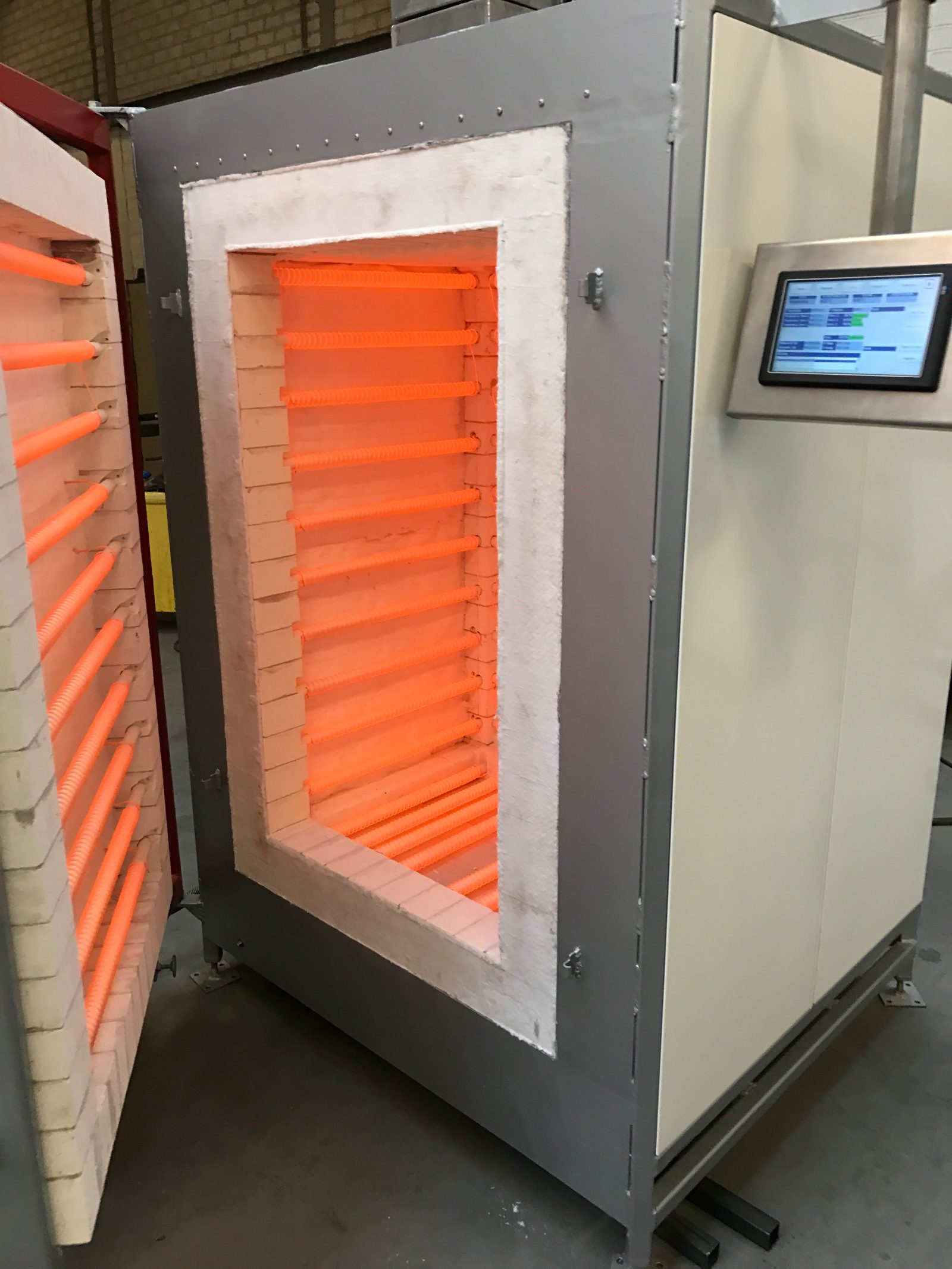
Watch your artwork undergo the transformation in the professional kiln.
Explore pamphlets and resources about the history of the art form.
Choose from a variety of mineral pigments to color your tile.
Every Lisbon Tile Painting Workshop tour side-by-side — duration, what's included, how you redeem.
| Experience | Duration | Rating | Small group | Free cancel. | Price | |
|---|---|---|---|---|---|---|
|
Standard Entry Most popular
Lisbon Azulejo Tile Design Workshop
|
2 hr 30 min | ★ 4.9 | — | ✓ | €55 | Book → |
|
Standard Entry
Portuguese Tile Painting Workshop
|
1 hr | ★ 4.7 | — | ✓ | €50 | Book → |
|
Standard Entry
Hand-Paint Your Own Portuguese Azulejo Tile
|
2 hr 30 min | ★ 4.9 | ✓ | ✓ | €45 | Book → |
All prices from verified partners. Availability and exact terms confirmed at checkout.
Visitors often find that a lisbon tile painting workshop provides a hands-on creative outlet, while the National Tile Museum serves as the definitive space for understanding the evolution of this heritage craft. Integrating these lisbon tile painting workshop tours with a museum visit creates a balanced artistic experience.
| Feature | Top pick Painting Workshop | National Tile Museum |
|---|---|---|
Setting |
Intimate studio | Former 16th-century convent |
Depth of Historical Context |
Practical application focus | Extensive chronological exhibition |
Customization Options |
Full creative freedom | Standardized guided activity |
Duration |
2–4 hours | 1–2 hours |
Class Size |
Small groups | Large group sessions |
Instructional Style |
Technical hands-on guidance | Lecture and demonstration based |
| See tickets → |
Verdict: Choose the studio for a personalized session, or select the museum if you require lisbon tile painting workshop tickets that prioritize cultural immersion over individual design.
Choose your ticket, select your date, and reserve in under two minutes. Secure checkout handled by our verified partner.
Instant confirmation by email, with a mobile voucher you can save offline. No printing, no queuing at a collection desk.
Arrive at the entrance, show your voucher on your phone, and walk in. Most tickets include priority or skip-the-line access.
Practical details for Lisbon Tile Painting Workshop tickets straight from our verified partners — hours, access, rules, and how to get there.
Rua Ernesto da Silva, 52B
Arrive 10 minutes early
Open in Google MapsUse the metro to reach the Benfica area or nearby bus routes.
A direct taxi or rideshare is the fastest way to reach the workshop address.
Casual attire is recommended for the lisbon tile painting workshop. Wear comfortable clothing that can handle minor paint splatters.
Keep belongings minimal at the lisbon tile painting workshop. Large luggage is not permitted in the studio space.
Photography is generally encouraged during your lisbon tile painting workshop session. Please be respectful of other participants and the artist's workspace.
The studio space is accessible, though the lisbon tile painting workshop involves sitting at a table for extended periods. Contact the operator if you require specific assistance.
Mobile phones are permitted for capturing the lisbon tile painting workshop process. Please keep them on silent to maintain a relaxing atmosphere.
Families are welcome at the lisbon tile painting workshop, though children under 12 may require adult supervision. This creative activity is an excellent way to introduce kids to local heritage.
Water, coffee, and light cookies are often provided by the host during your lisbon tile painting workshop. Do not bring external food into the studio.
Pets are generally not permitted inside the lisbon tile painting workshop studio. Service animals may be accommodated with prior notice.
The lisbon tile painting workshop provides all materials including tiles, glazes, and brushes. Finished tiles require kiln firing, which is included in the service.
Best time to go, insider tips, nearby landmarks, and the cancellation fine print — flip through to skim what matters to you.
How crowds, weather, and events shift across the year.
Mild weather is perfect for exploring before your lisbon tile painting workshop.
Visit during the 10:30–18:00 window to avoid peak afternoon heat.
Comfortable temperatures make this an ideal time for indoor art workshops.
Cooler days are perfect for multi-hour creative sessions inside the studio.
Small details that turn a good visit into a great one.
Reservations fill up quickly during peak season for every lisbon tile painting workshop.
Follow the best arrival window of 10:30–18:00 to avoid mid-afternoon heat.
If you cannot pick up your tile, inquire about international shipping options.
The kiln area can be warm; dress in layers to stay comfortable while painting.
Take photos of historic tiles in Lisbon streets to use as inspiration for your piece.
Non-bookable sights within a short walk — free to visit, easy to pair.
Local market experience featuring fresh produce.
Historic palace with beautiful gardens.
Quiet green space for a post-workshop stroll.
Flexible, no hidden fees.
Cancellations are accepted up to 48 hours in advance for a full refund. Please note that the lisbon tile painting workshop is a paid service with prices varying by provider.
Hand-picked options within walking distance — pick a district for vibe, or a specific hotel for convenience.
Budget-friendly local guesthouses and apartments.
Wide range of luxury and boutique hotels.
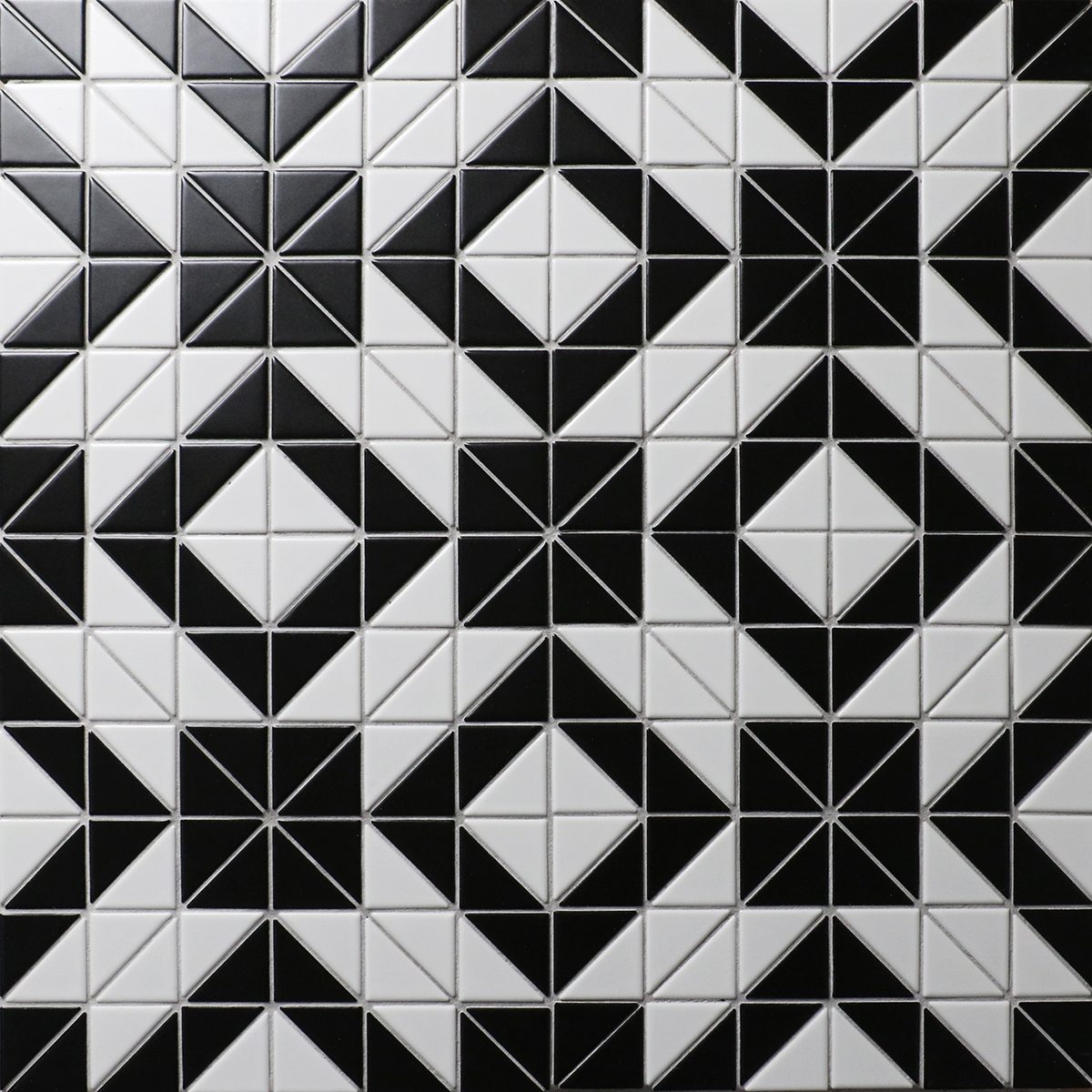
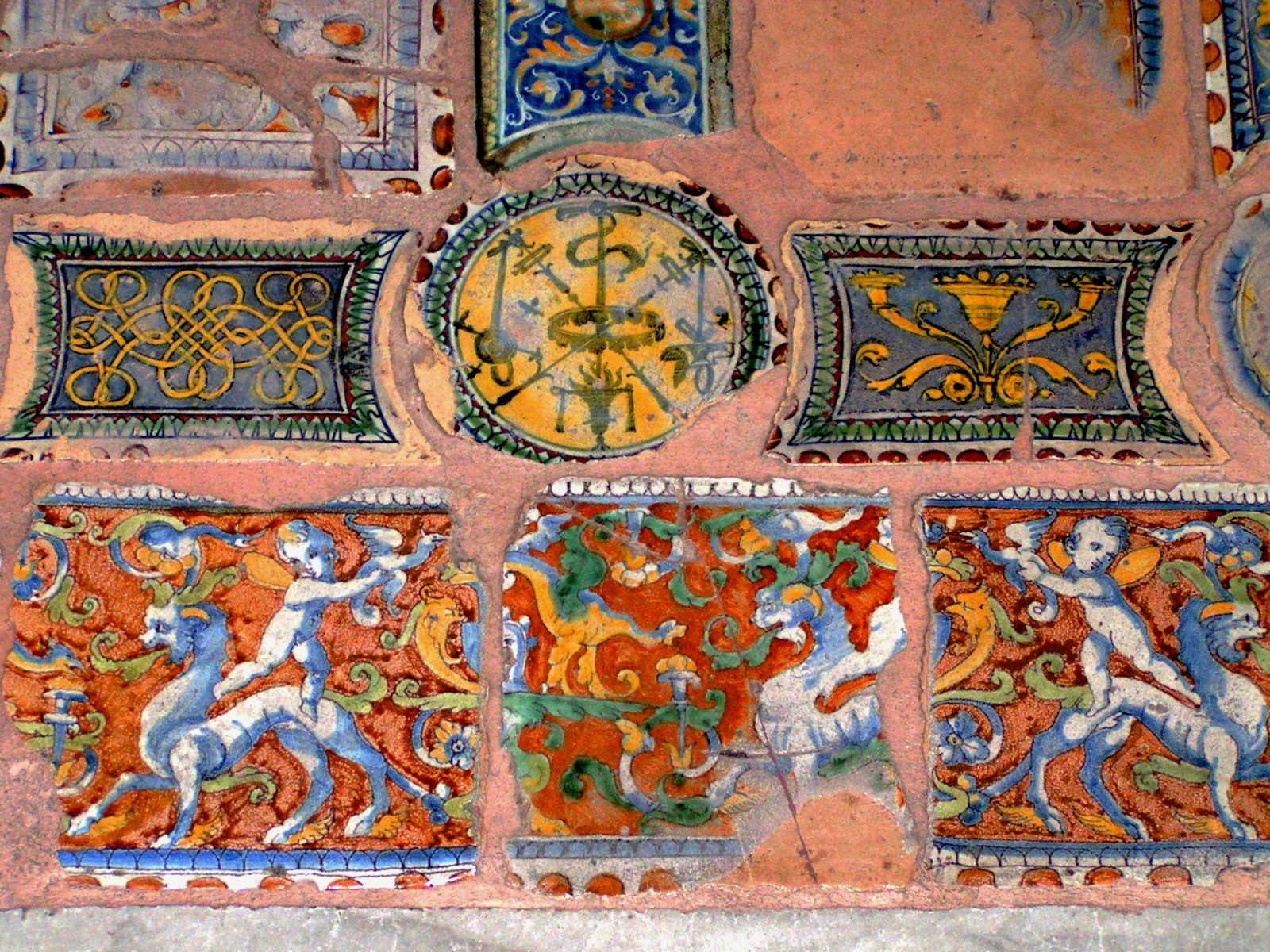
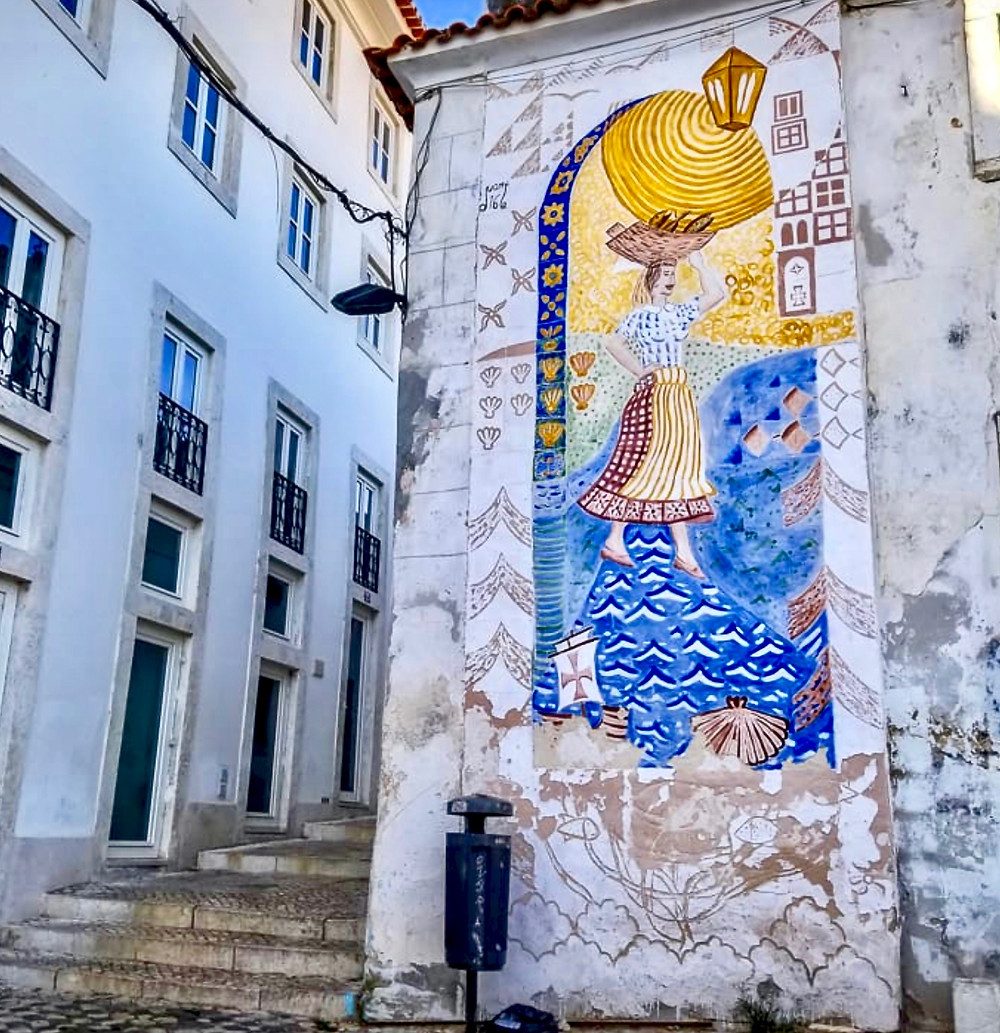
Portugal consumes more decorative ceramic tile per capita than any other nation in Europe, a tradition rooted in the sixteenth-century Moorish influence that transformed façades across Lisbon into open-air galleries.
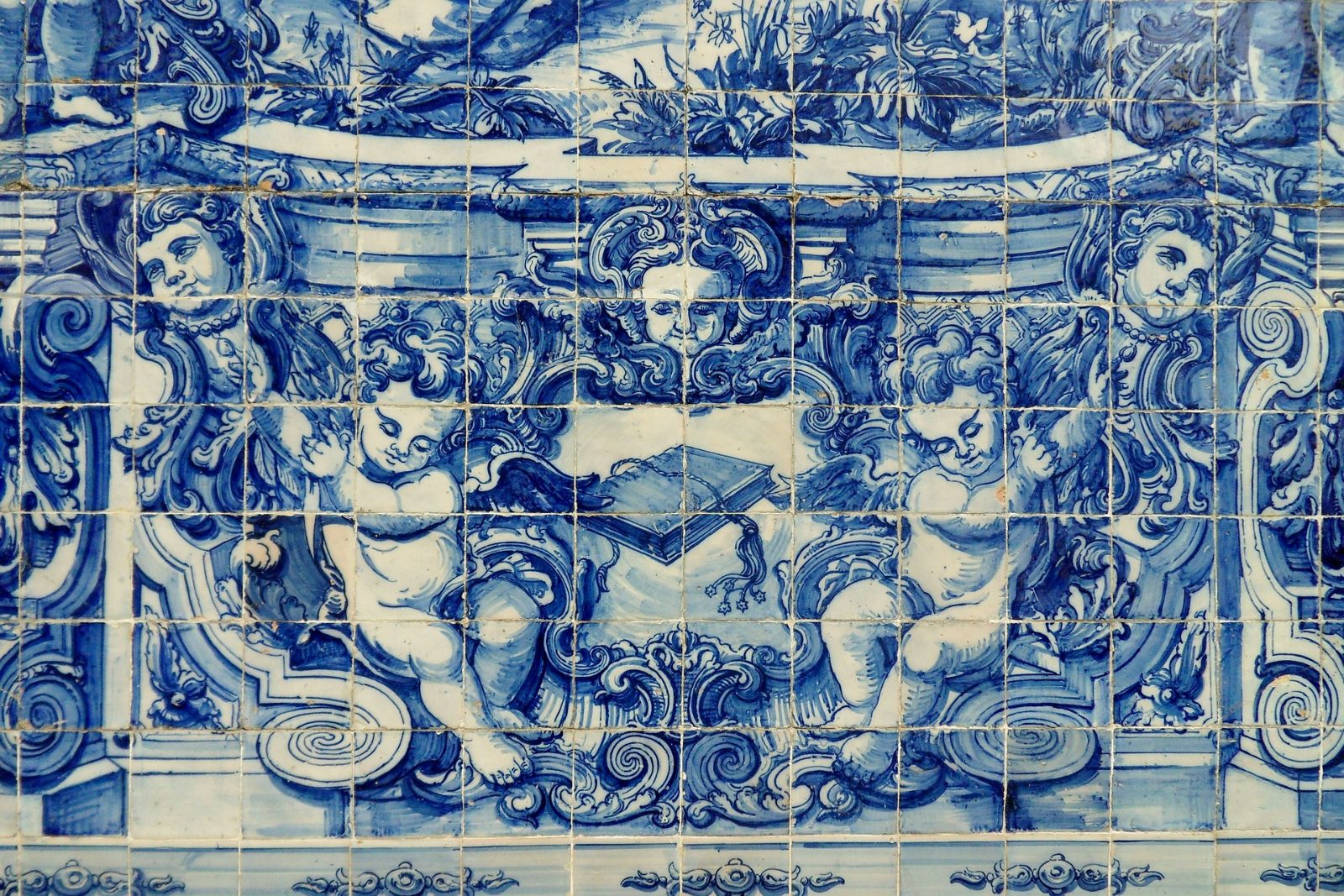
The word azulejo derives not from azul, the Portuguese word for blue, but from the Arabic al-zulayj, meaning polished stone. By the 1700s, Portuguese artisans had developed a distinctly local vocabulary: cobalt narratives depicting maritime expeditions, saints in ornamental cartouches, and geometric patterns that ripple across convent walls and Metro stations alike. The National Tile Museum houses over five thousand panels spanning five centuries, yet the craft itself remained inaccessible to most visitors until the early 2000s, when independent studios began offering tile painting workshop lisbon portugal sessions designed for travelers seeking tactile engagement with Portuguese heritage.
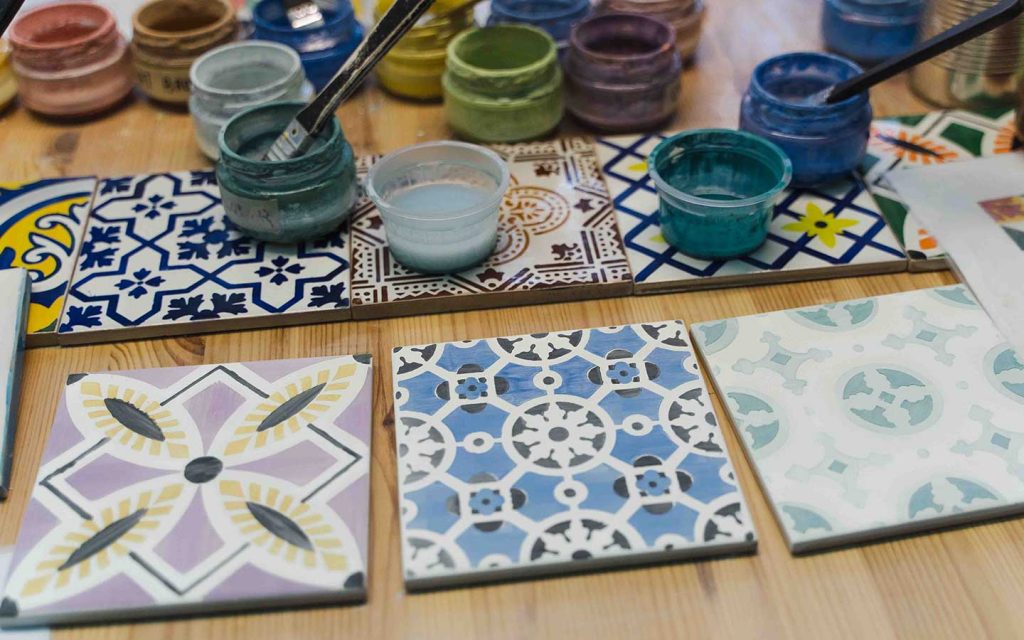
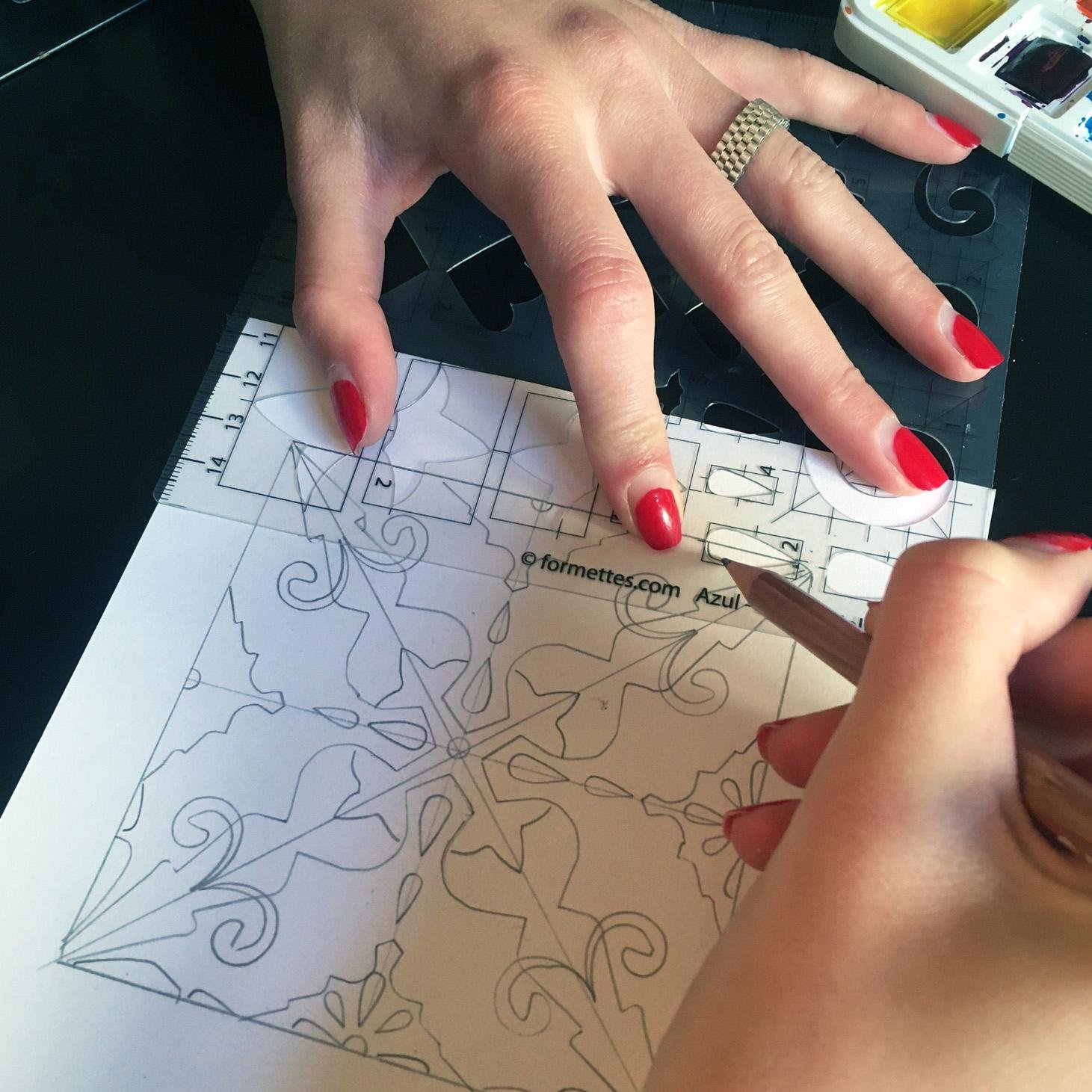
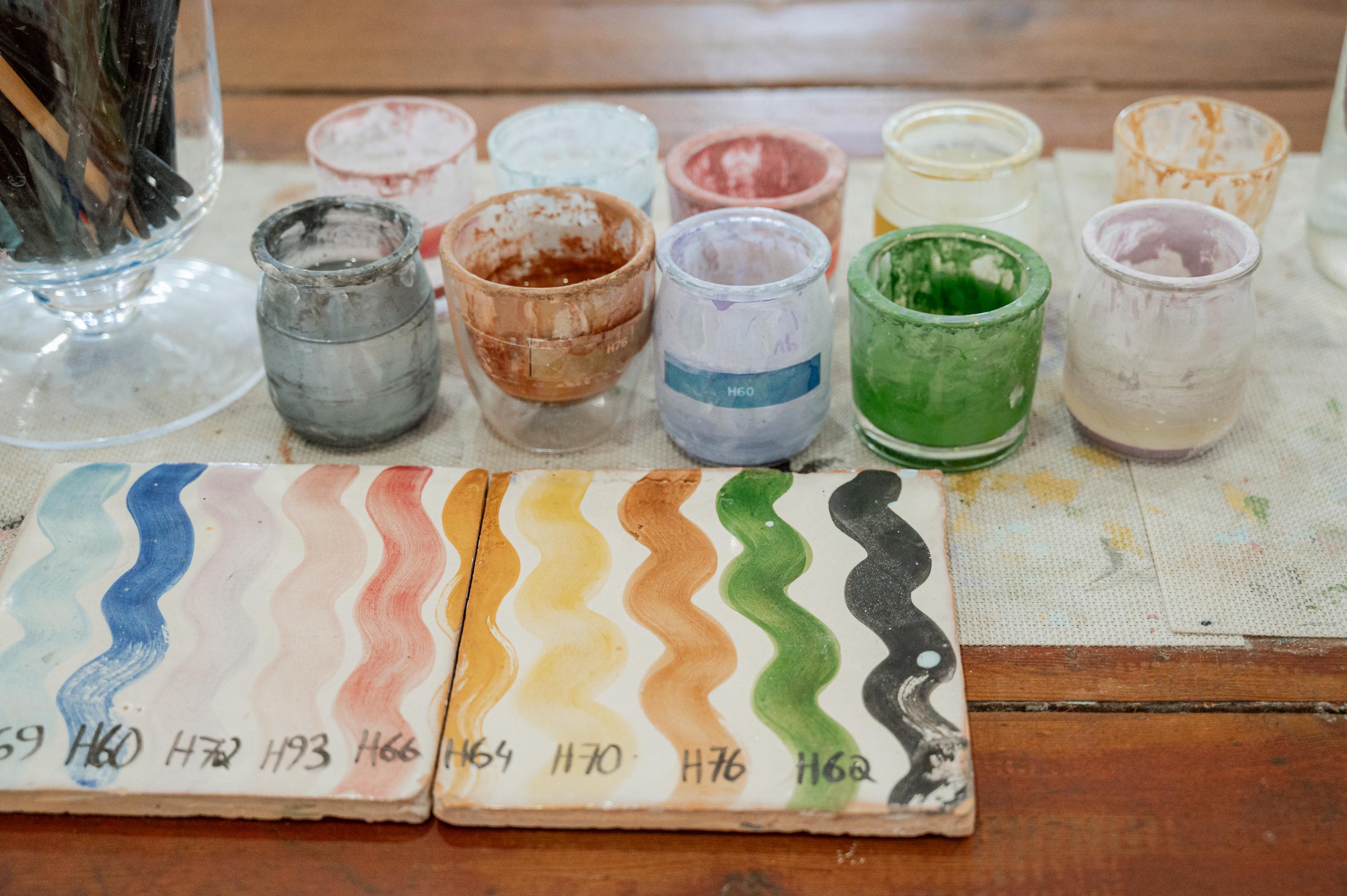
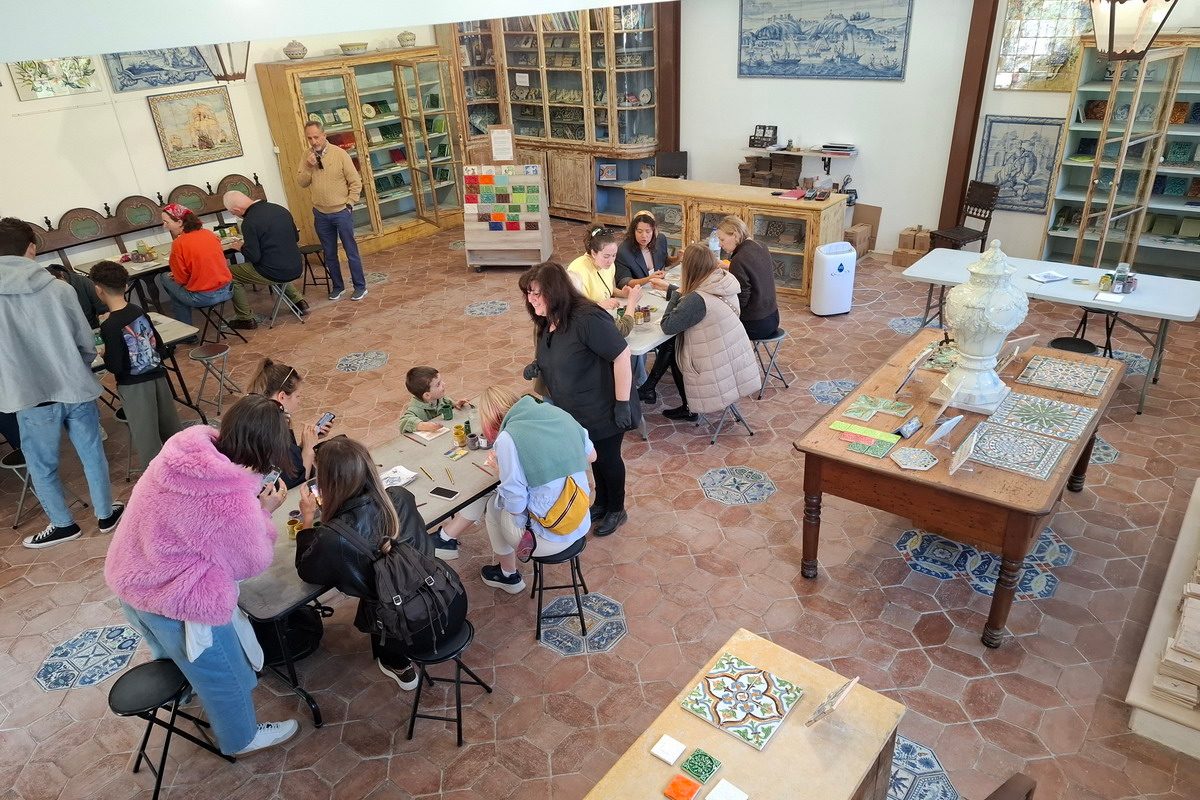
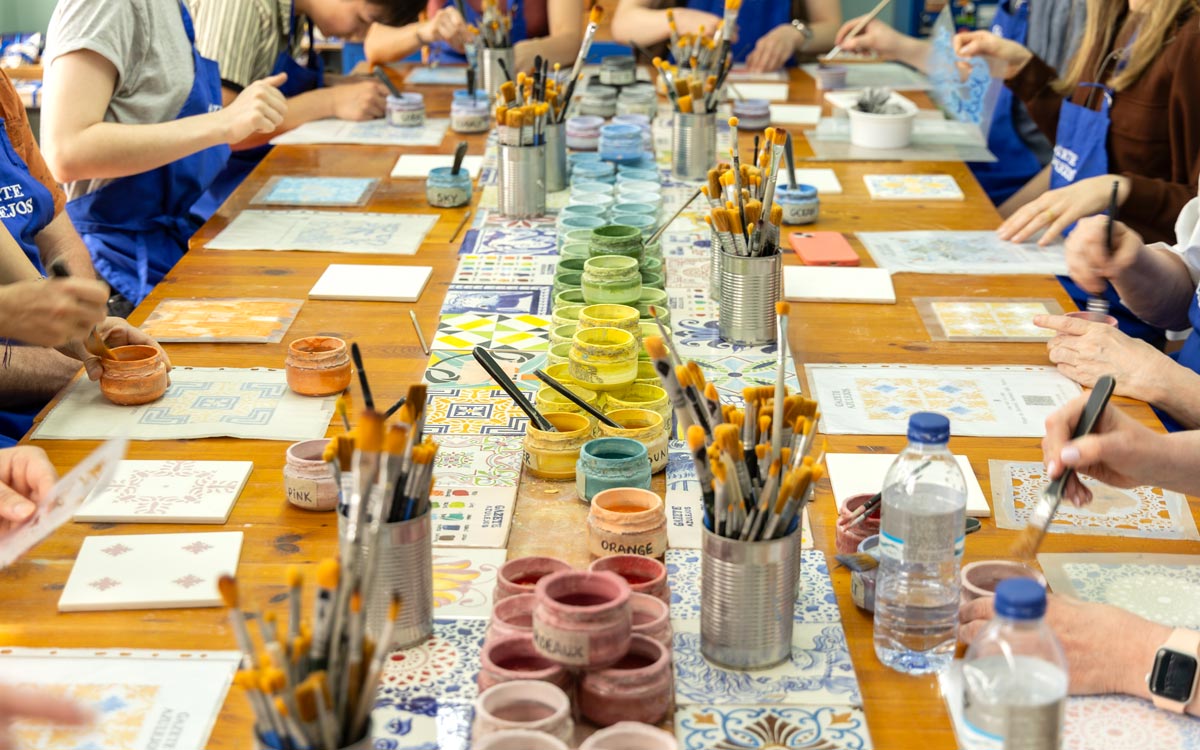
A Casa do Azulejo, established in a former tile factory on Rua Ernesto da Silva, preserves the kiln-fired techniques that shaped Lisbon's visual identity. The studio occupies a converted warehouse where industrial shelving now holds pigment jars in ochre, manganese brown, and the iconic cobalt oxide that produces azulejo's signature blue. Artisans trained in the centuries-old majolica method guide participants through each stage: transferring a carbon-paper stencil onto a bisque-fired tile, mixing mineral pigments with water and gum arabic, applying color with sable brushes, and understanding how the palette shifts during the second firing at 980 degrees Celsius. The workshop does not teach freehand illustration; instead, it focuses on reproducing historical motifs—pomegranate clusters, rope borders, Manueline knots—using the same limited palette and brushstroke economy that defined seventeenth-century production. Portuguese tile painting workshop lisbon programs like this one balance craft instruction with cultural context, explaining why certain patterns appear on church interiors while others clad residential stairwells.
The tile painting workshop lisbon kids sessions adapt the format for younger participants, offering simpler geometric designs and shorter painting windows. Adult workshops run between two and three hours, depending on the complexity of the chosen pattern. Each participant leaves with a numbered tile wrapped in protective paper, which the studio fires and ships within two weeks to any European address. The process demystifies a craft often seen only as finished mural work, revealing the physical demands of hand-painting hundreds of tiles for a single commissioned panel. Lisbon's azulejo tradition persists not in museums alone but in workshops where visitors hold the same brushes, breathe the same mineral dust, and confront the same unforgiving medium that Lisbon artisans have navigated for four hundred years.

"The word azulejo derives not from azul, the Portuguese word for blue, but from the Arabic al-zulayj, meaning polished stone."
A step-by-step walkthrough of Lisbon Tile Painting Workshop tickets — what you'll see, how long each stage takes, and the details that matter.
You arrive at A Casa do Azulejo on Rua Ernesto da Silva mid-morning, where the studio door opens onto shelves stacked with bisque tiles in honeycomb rows.
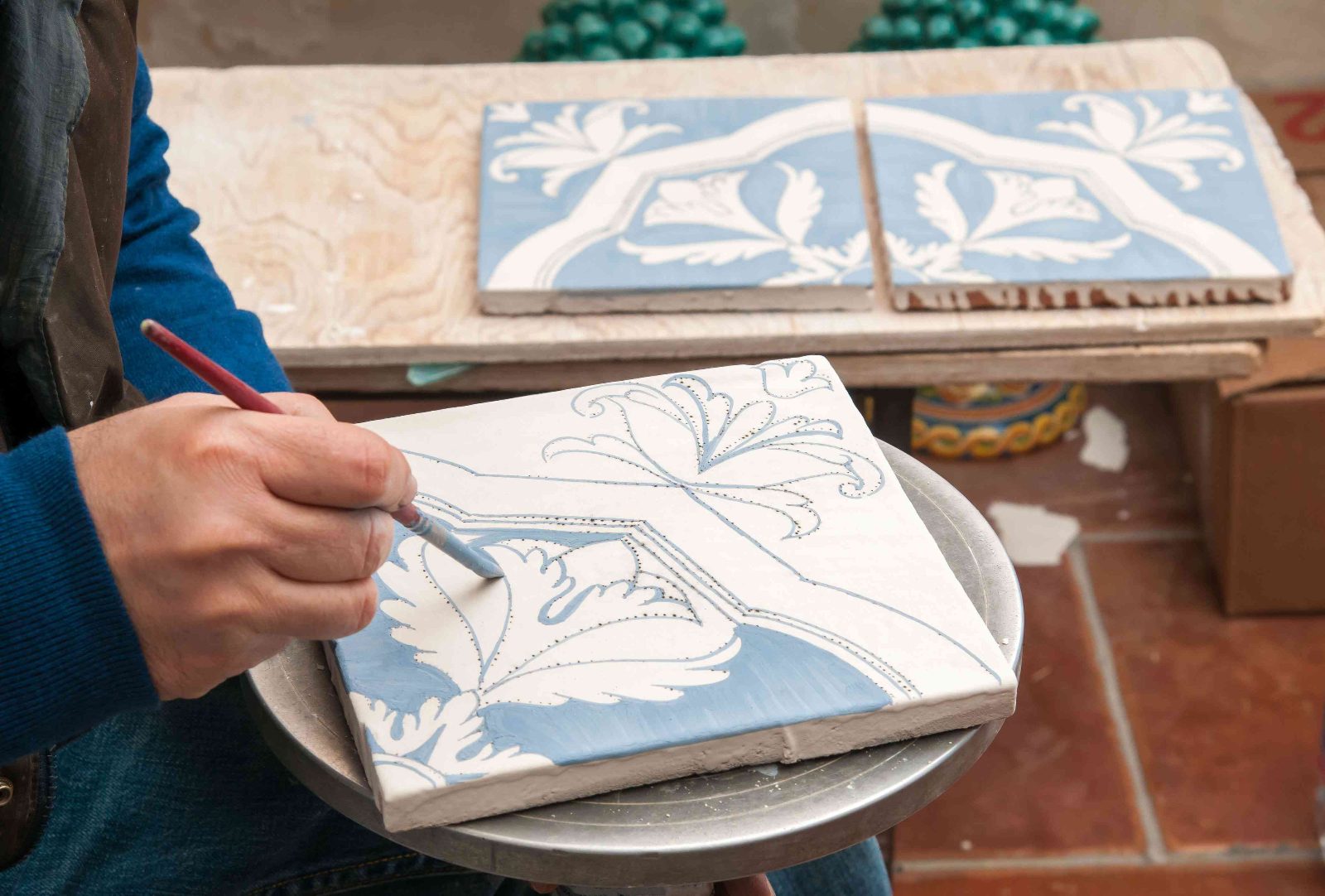
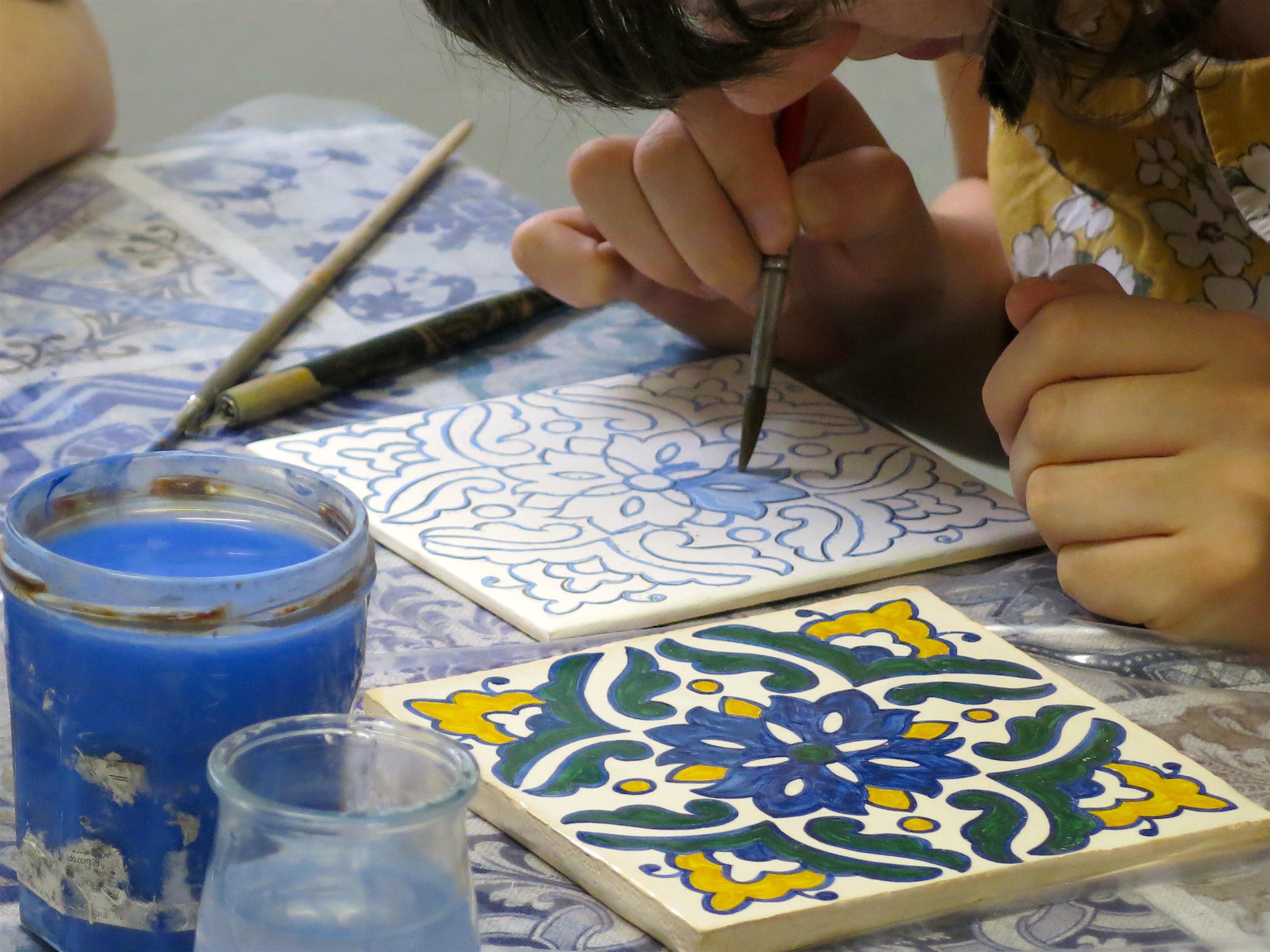
The instructor, a ceramicist trained in traditional majolica methods, hands you a white-glazed tile still cool from storage and a packet of carbon-paper stencils depicting historical motifs—pomegranates, rope borders, Manueline knots. You choose a seventeenth-century floral pattern, press the stencil onto the tile's surface, and trace the design with a pencil, each line transferring in faint gray. The instructor sets out shallow dishes of cobalt oxide, manganese brown, and ochre pigment, each mixed with gum arabic to a consistency that pools without running.
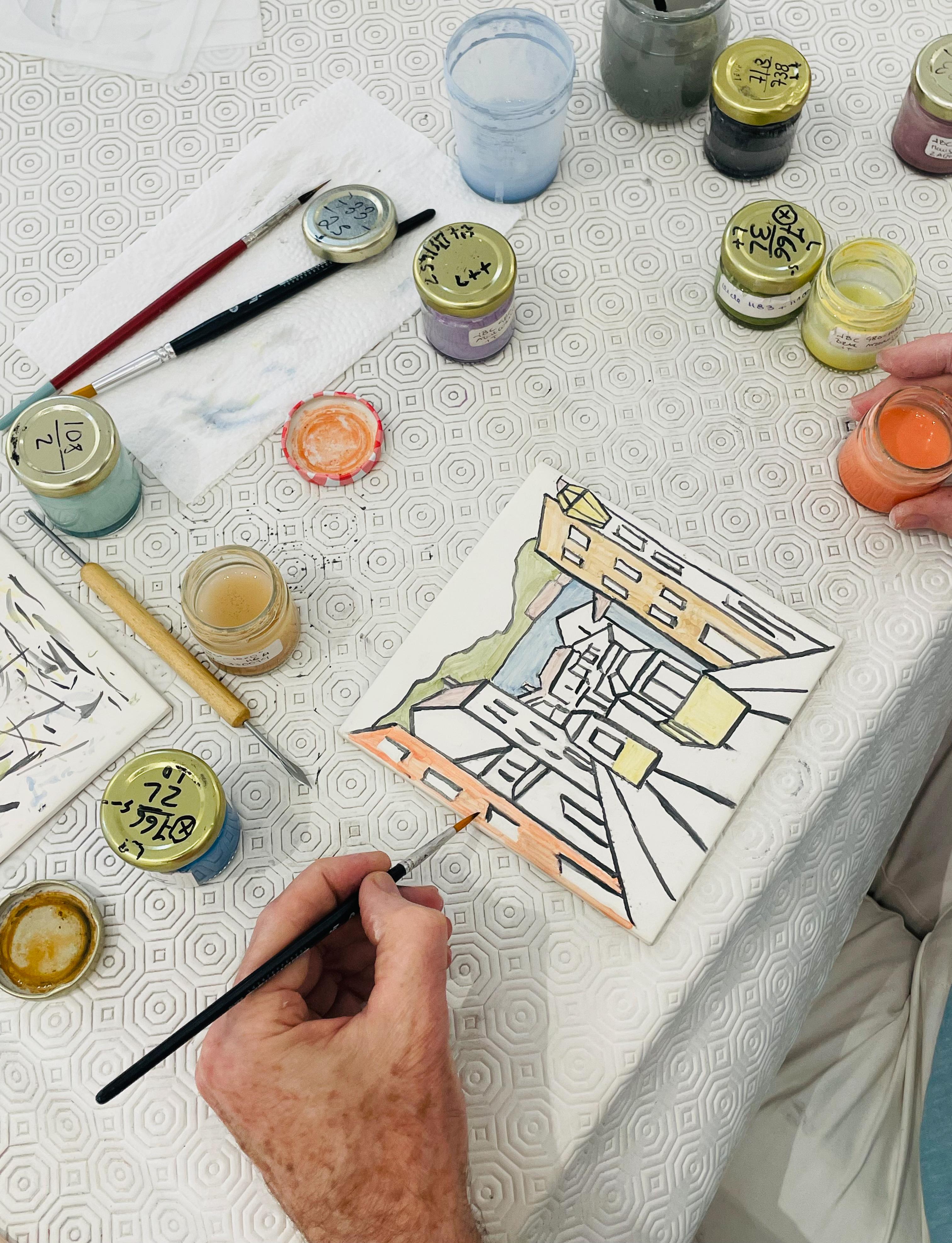
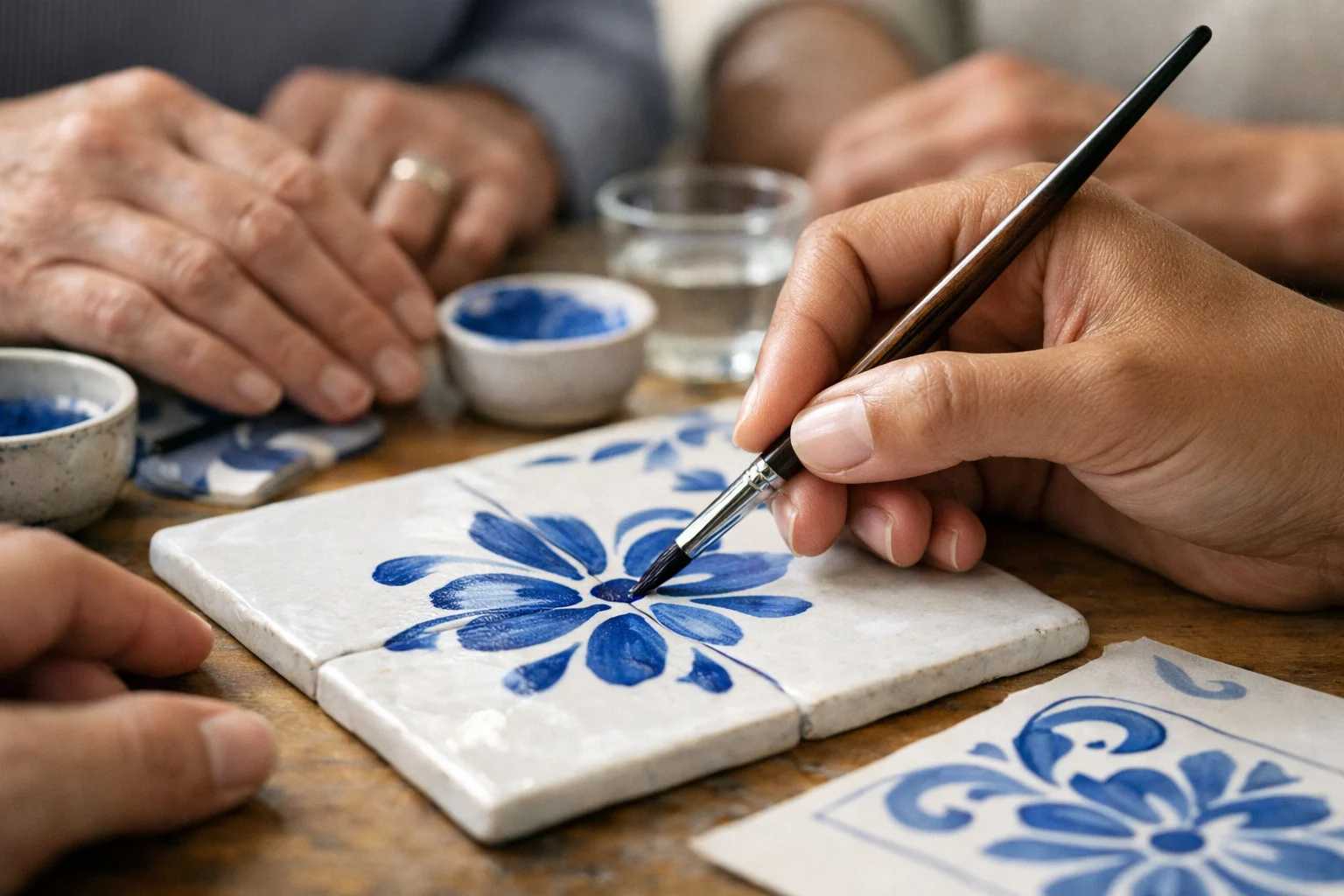
You dip a fine sable brush into the cobalt and begin filling the petals, working from the stencil's outer edge inward. The pigment dries lighter than it appears wet, a chromatic shift the instructor explains will reverse during the kiln firing at 980 degrees. You spend ninety minutes painting, pausing to thin the pigment or clean the brush in a jar of distilled water. The studio smells of wet clay and mineral dust. Once the tile is complete, the instructor wraps it in protective paper, assigns it a number, and explains that the second firing takes ten days. Your tile painting workshop lisbon tour concludes with a walk through the studio's archive room, where test tiles from decades of commissioned panels line the walls in tonal gradients, each one a record of pigment ratios and firing temperatures refined over centuries of Portuguese ceramic craft.
The workshop is open Tuesday through Saturday, with specific hours listed in the practical info section.
There is no standard entry fee for the facility itself, as workshops are paid services with prices varying by provider.
A typical painting session generally lasts about 90 minutes to two hours.
Bring comfortable clothing and your booking details to the A Casa do Azulejo site.
Yes, families are welcome, though children under 12 should be supervised during the session.
The studio is accessible, but please inform the host if you have specific needs.
You can reach the location at Rua Ernesto da Silva, 52B, by bus, taxi, or public transport.
You can generally cancel up to 48 hours in advance for a full refund; check your specific booking.
Yes, you can visit the nearby Palácio Baldaya or the local Benfica markets after your class.
No experience is required to enjoy a session at A Casa do Azulejo.